







In the world of culinary delights, few things can match the sweetness and versatility of jelly recipes. Whether you’re a seasoned home cook or a beginner eager to learn, the art of making jelly is both rewarding and delicious. At www.recipesjelly.com, you’ll find a treasure trove of recipes and tips that cater to all your jelly-making needs, from classic fruit jellies to innovative vegan options. This comprehensive guide will take you through everything you need to know about making jelly at home, using insights and resources from the renowned recipesjelly.com.
Introduction to Jelly Making
What is Jelly?
Jelly is a fruit preserve made from fruit juice, sugar, and a gelling agent like pectin. Unlike jam, which includes fruit pulp, jelly is clear and smooth, making it a preferred choice for those who enjoy a refined texture in their spreads.
History and Origins
The tradition of jelly making dates back centuries and has been a staple in many cultures. Initially, jellies were a way to preserve fruit for consumption during the non-harvest months. Today, jelly is enjoyed worldwide in various forms and flavors.
See also Gyros Grillgerät: The Complete Guide to Making Authentic Gyros at Home
Essential Ingredients and Tools
Key Ingredients for Jelly Making
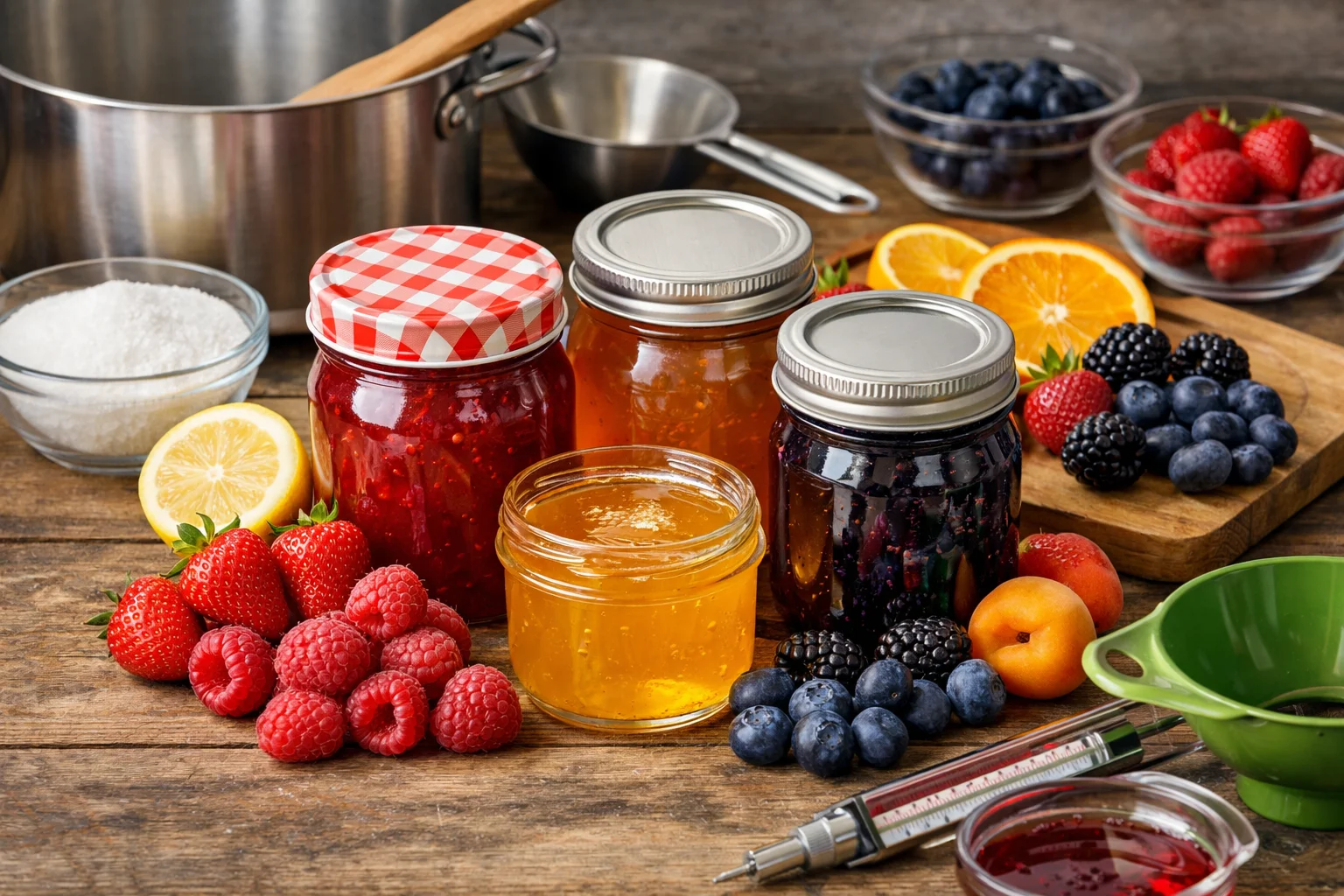
To make the perfect jelly, you’ll need:
- Fruit Juice: The foundation of any jelly, providing flavor and color.
- Pectin: A natural gelling agent found in fruits, crucial for setting the jelly.
- Sugar: Balances the tartness of fruit and aids in preservation.
- Citric Acid: Enhances flavor and preserves the jelly’s color.
Tools You’ll Need
For successful jelly making, ensure you have these tools:
- Mason Jars: For storing and preserving your jelly.
- Boiling Water Bath: A method for sterilizing jars and sealing the jelly.
- Canning Funnel: Essential for pouring jelly into jars without spillage.
- Thermometer: Ensures the correct setting temperature is reached.
Step-by-Step Jelly Making Process
Preparing Your Ingredients
- Select Your Fruits: Choose ripe, high-pectin fruits such as apples, grapes, or berries.
- Extract the Juice: Crush the fruits and strain to obtain clear juice.
- Measure Ingredients: For every cup of juice, use equal parts sugar and add pectin as per the package instructions.
Cooking and Setting the Jelly
- Combine Juice and Pectin: Bring to a boil, stirring constantly.
- Add Sugar: Gradually mix in sugar, maintaining a full boil for one minute.
- Test the Set: Drop a spoonful on a cold plate; if it wrinkles when pushed, it’s ready.
- Jar and Seal: Pour into sterilized jars, leaving ¼ inch at the top. Seal and process in a boiling water bath.
Troubleshooting Common Issues
- Jelly Won’t Set: Ensure sufficient pectin and proper boiling temperature.
- Cloudy Jelly: Strain juice thoroughly to remove pulp and impurities.
- Sugar Crystals: Stir sugar well to dissolve completely before boiling.
Types of Jelly Recipes
Classic Fruit Jellies
These timeless recipes are a favorite:
- Apple Jelly: A clear, golden jelly perfect for breakfast spreads.
- Grape Jelly: Sweet and popular, especially among children.
- Berry Jelly: A mix of berries for a rich, flavorful experience.
Sugar-Free Options
For health-conscious individuals, sugar-free jellies are a delight:
- Stevia-Sweetened Jelly: A natural alternative using stevia instead of sugar.
- Low-Sugar Berry Jelly: Maintains taste with reduced sugar and natural sweeteners.
Innovative Jelly Flavors
Explore unique flavors with these creative ideas:
- Chili Pepper Jelly: A spicy-sweet twist, excellent with cheese platters.
- Herb-Infused Jelly: Basil or mint-infused jellies provide a gourmet touch.
Preservation and Storage Tips
How to Properly Can Your Jelly
- Sterilization: Boil jars and lids before use to prevent contamination.
- Sealing: Ensure jars are sealed airtight to extend shelf life.
- Storage: Keep in a cool, dark place to maintain quality.
Shelf Life and Storage Solutions
- Unopened Jelly: Can last up to a year if stored properly.
- Opened Jelly: Refrigerate and consume within a month for optimal freshness.
Frequently Asked Questions
How Do You Make Jelly from Scratch?
Start with fresh fruit juice, add sugar and pectin, boil, and then jar and seal it using a boiling water bath.
What is the Difference Between Jelly and Jam?
Jelly is made from fruit juice, resulting in a clear spread, while jam includes crushed fruit, giving it a chunkier texture.
How Long Does Homemade Jelly Last?
Unopened jelly can last up to a year if stored in a cool, dark place. Once opened, it should be refrigerated and used within a month.
Can You Make Jelly Without Sugar?
Yes, using natural sweeteners like stevia or agave syrup, or opting for sugar-free pectin, allows for sugarless jelly making.
How Do You Fix Jelly That Didn’t Set?
Re-cook the jelly, adding more pectin and boiling longer. Ensure correct temperatures are reached for proper setting.
Conclusion & Next Steps
Exploring the world of jelly making can be as delightful as it is delicious. Whether you’re crafting a traditional grape jelly or experimenting with exotic flavors like chili pepper jelly, the possibilities are endless. Visit www.recipesjelly.com to dive deeper into the art of jelly making, access an array of recipes, and join a community of fellow enthusiasts. Download our free eBook for exclusive tips and share your jelly creations with us. Embrace the joy of homemade jelly and discover new flavors that will delight your palate and those of your loved ones.