







The global technology landscape is entering a major transformation phase where smartphones are no longer seen as the final destination of innovation. Instead, they are becoming just one part of a much larger digital ecosystem. Leading tech companies are now investing heavily in systems that move beyond screens, beyond touch-based interaction, and even beyond traditional mobile computing.
This shift is not sudden. It is gradual, intentional, and deeply strategic. The focus is now on building a world where technology is embedded into the environment, responds intelligently, and reduces dependency on handheld devices.
What is emerging is a new computing era where intelligence is everywhere, but the smartphone is no longer the center of it.
A Shift From Devices to Digital Environments
For years, smartphones have dominated digital life. From communication to entertainment, everything revolves around a single screen. But that dominance is starting to weaken.
Technology leaders are now designing systems where computing is not tied to one device but spread across environments.
This includes:
- Smart homes that adjust automatically based on user behavior
- Cars that function as digital extensions of personal ecosystems
- Wearables that deliver real-time information without screens
- Public spaces embedded with interactive digital layers
- AI systems that operate continuously in the background
The idea is simple: users should not need to “go to a device” anymore. The device should come to them.
See also Institute of Data Review: A Real Look at Its Credibility, Training Value & Future Impact
Rise of Spatial Computing Systems
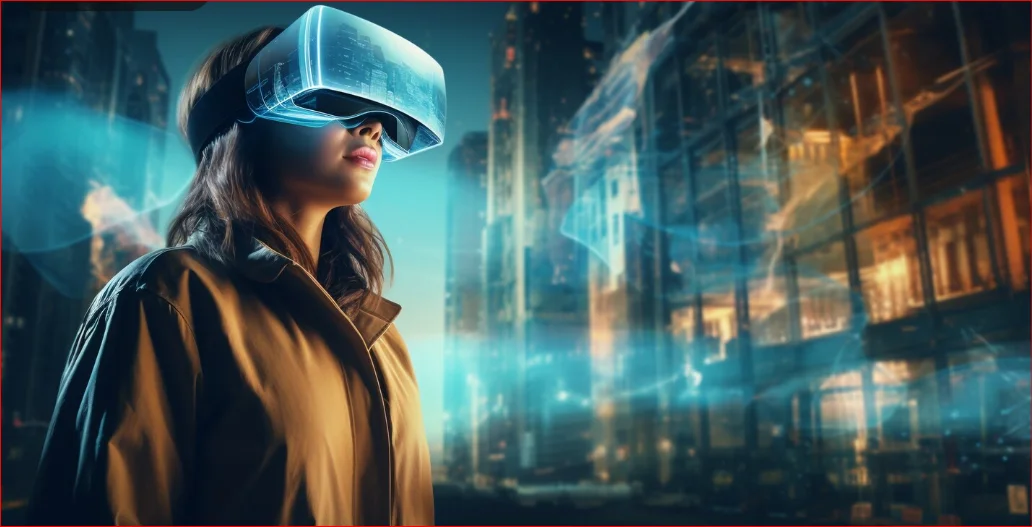
One of the most powerful directions shaping this future is spatial computing. Instead of interacting with flat screens, users will interact with digital objects placed in real-world space.
This changes how people work, communicate, and consume information.
Key developments include:
- Digital interfaces projected into physical surroundings
- 3D workspaces replacing traditional desktops
- Gesture and eye-based navigation systems
- Shared virtual environments for collaboration
- Mixed reality tools merging physical and digital worlds
This approach reduces dependence on smartphones by turning the entire environment into an interactive interface.
AI Becomes the Primary Interface
Artificial intelligence is becoming the central layer of interaction, replacing traditional app-based usage.
Instead of opening multiple apps, users will rely on intelligent systems that understand intent and complete tasks automatically.
This shift introduces major changes:
- Users interact through natural language instead of tapping screens
- Tasks are completed through AI coordination across services
- Search becomes conversational and contextual
- Personalization happens in real time without manual settings
- Digital assistants anticipate needs before requests are made
In this model, the interface disappears, and intelligence takes over.
Wearables Take a Central Role
Wearable technology is evolving from a supporting gadget category into a core computing platform.
Smart devices are becoming more integrated with the human body, offering constant access to digital systems without requiring a phone.
Emerging wearable directions include:
- Smart glasses displaying real-time navigation and alerts
- AI-powered earbuds acting as personal assistants
- Smart rings enabling authentication and payments
- Health-focused wearables tracking continuous biometrics
- Smart fabrics embedded with sensors and connectivity
These devices aim to reduce screen dependency and increase real-world awareness.
Homes Become Intelligent Systems
The concept of a smart home is evolving into something far more advanced: a fully coordinated digital environment.
Instead of isolated devices, homes are becoming unified intelligent systems.
This includes:
- Automated lighting and climate control based on behavior
- Energy systems that optimize usage automatically
- Security systems that learn user patterns
- Entertainment that follows users across rooms
- Voice-controlled and AI-managed home ecosystems
Technology becomes invisible, yet deeply present in everyday life.
Cars Transform Into Digital Spaces
The automotive industry is also undergoing a digital transformation. Vehicles are no longer just transportation tools—they are becoming connected computing environments.
Modern developments include:
- AI-powered driving assistance systems
- Voice-based vehicle control systems
- Seamless connection with home and mobile ecosystems
- Entertainment systems designed for autonomous travel
- Continuous internet connectivity for real-time updates
As automation grows, cars will increasingly serve as mobile digital spaces rather than simple vehicles.
Traditional Apps Losing Central Importance
The app-based ecosystem that defined the smartphone era is slowly evolving.
Instead of relying on individual applications, users will interact with unified systems that handle multiple services at once.
This leads to:
- Reduced need for switching between apps
- AI managing backend services automatically
- Cross-platform integration without manual control
- Context-aware digital experiences
- Invisible software operating in the background
Apps will still exist, but they will no longer dominate user behavior.
Why Tech Giants Are Moving Beyond Smartphones
Several strategic factors are driving this global shift:
- Smartphone innovation has reached a maturity stage
- Hardware improvements are becoming incremental rather than revolutionary
- User engagement patterns are stabilizing
- AI breakthroughs enable new interaction models
- Wearable and spatial computing costs are decreasing
Tech companies are now competing to define the next dominant platform beyond mobile phones.
The goal is not just innovation—it is control of the next computing ecosystem.
Early Signs Already Visible Today
This future is not distant. Many elements are already part of daily life.
Examples include:
- Smartwatches reducing phone dependency
- Voice assistants handling everyday tasks
- AI tools replacing traditional search methods
- Navigation apps offering predictive guidance
- Smart home devices managing routine automation
These small shifts are gradually changing user behavior without dramatic disruption.
Challenges in Moving Beyond Smartphones
Despite rapid progress, several challenges remain:
- Privacy concerns around always-on devices
- Battery limitations in wearable systems
- User comfort with non-screen interfaces
- Interoperability between different ecosystems
- Dependence on reliable AI decision-making
These challenges ensure that smartphones will remain relevant for years, even as their dominance declines.
A New Era of Invisible Computing
The future envisioned by tech giants is not about eliminating devices entirely. It is about making technology less visible and more intelligent.
In this new era:
- Interaction becomes natural and conversational
- Devices become smaller and more distributed
- Intelligence operates continuously in the background
- Digital systems respond to human intent, not commands
- Computing blends seamlessly into daily life
The smartphone is no longer the center of digital life. It is becoming one node in a much larger intelligent system.