








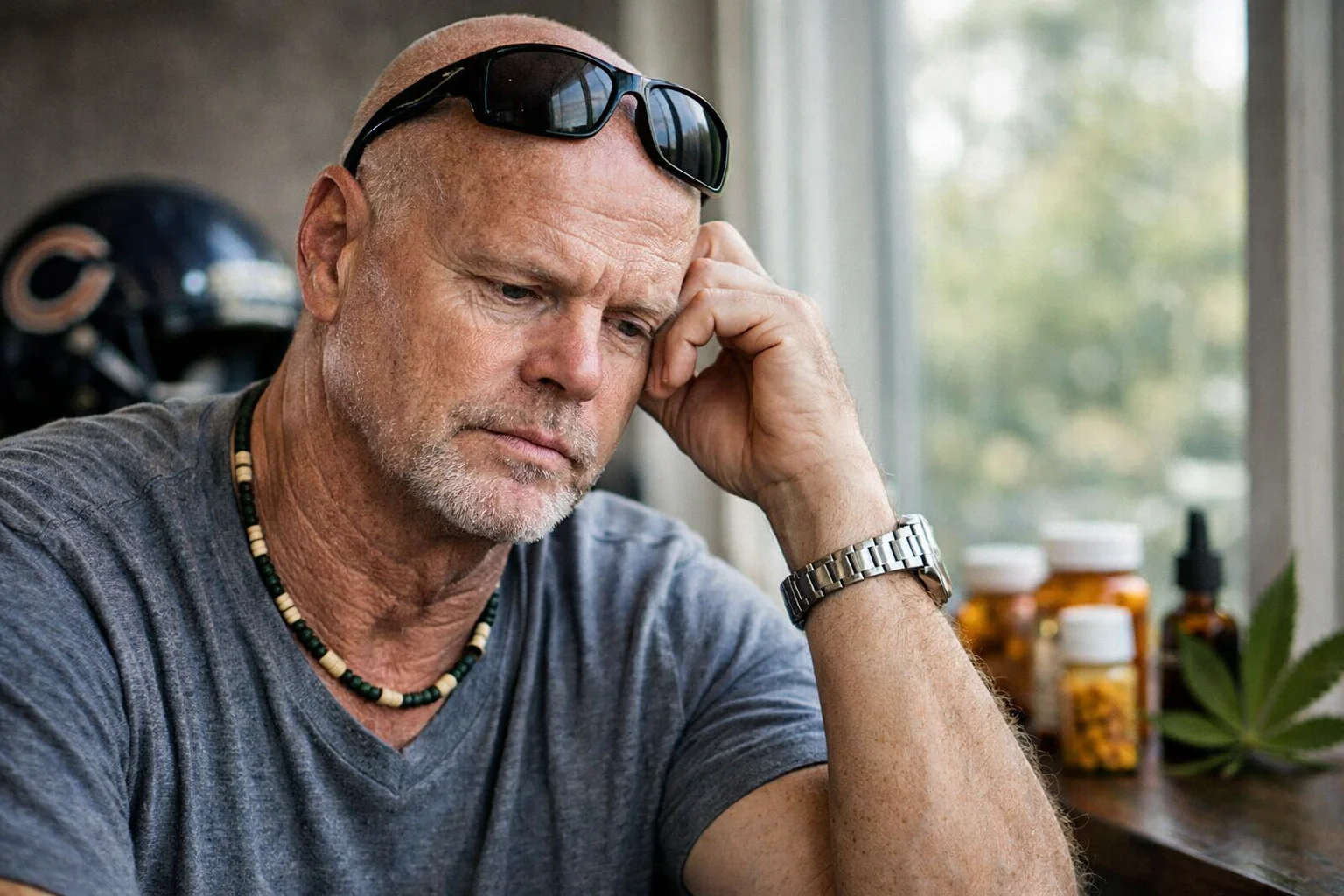
Jim McMahon, a name synonymous with football greatness, is also a poignant example of the lasting impact professional sports can have on an athlete’s health. Known for his time as the quarterback for the Chicago Bears, McMahon’s career was marked by both triumphs and significant health challenges. This article delves into Jim McMahon health journey, exploring his medical conditions, treatments, advocacy for concussion awareness, and the broader implications of his experience on sports medicine.
Jim McMahon’s Health Journey
Early Signs and Struggles
Jim McMahon’s health issues began manifesting shortly after his retirement from the NFL. The physical toll of his football career became apparent as he started experiencing memory lapses and severe headaches. These early signs were troubling indicators of the long-term effects of repeated head injuries sustained during his playing days.
Medical Diagnoses
McMahon has been diagnosed with several health conditions, most notably Chronic Traumatic Encephalopathy (CTE) and other neurological impairments. CTE is a progressive brain condition associated with repeated concussions and traumatic brain injuries, common among former NFL players. His diagnosis has shed light on the connection between professional football and long-term brain health issues.
Impact of Football Career
McMahon’s football career undeniably contributed to his health problems. Known for his fearless playing style, he often took hard hits on the field. Over the years, these hits accumulated, leading to severe concussions and other injuries. The constant physical strain of the game left him with a legacy of chronic pain and cognitive difficulties.
Treatments and Therapies
To manage his health issues, Jim McMahon has explored various treatments and therapies, including:
- Conventional Medical Treatments: Regular consultations with neurologists and other specialists to monitor and manage symptoms.
- Alternative Therapies: Interest in holistic treatments, such as chiropractic care and acupuncture, to alleviate pain and improve overall wellness.
- Surgical Interventions: Surgeries to relieve pressure in his skull, significantly improving his symptoms.
Lifestyle Changes
Jim McMahon has made several lifestyle changes to cope with his health challenges:
- Improved Diet: Emphasizing anti-inflammatory foods to support brain health.
- Regular Exercise: Engaging in low-impact activities to maintain physical fitness without exacerbating pain.
- Mental Health Support: Accessing counseling services to address mental health concerns and maintain emotional well-being.
Public Appearances and Advocacy
Despite his health struggles, Jim McMahon remains a vocal advocate for concussion awareness and prevention. Through public appearances and interviews, he has highlighted the need for better safety protocols in sports and increased support for athletes dealing with similar issues.
Support Systems
Family and friends have played a crucial role in McMahon’s health journey. Their support has been invaluable in helping him navigate the challenges posed by his medical conditions. Additionally, the broader community of former athletes and health advocates has provided a network of solidarity and resources.
Innovations in Treatment
In recent years, advancements in sports medicine have offered new hope for athletes like Jim McMahon. Research into neurological conditions and CTE has led to innovative treatments that could potentially mitigate the impacts of brain injuries. Some promising developments include:
- Neurorehabilitation Programs: Focusing on cognitive therapy and brain exercises to improve mental acuity.
- Emerging Pharmaceuticals: New drugs targeting neurological inflammation and cognitive decline are being developed and tested.
Case Study: Jim McMahon and Concussion Awareness
Jim McMahon’s story has become a cornerstone in the conversation about athlete health and safety. His willingness to share his experiences has not only raised awareness but also influenced policy changes within the NFL. The league has implemented stricter concussion protocols and invested in research to better understand the implications of CTE. McMahon’s advocacy continues to inspire reforms aimed at protecting future generations of athletes.
Comparative Analysis: NFL Health Reforms
| Aspect | Before Reforms | After Reforms |
| Concussion Protocol | Minimal and inconsistent | Standardized and comprehensive |
| Player Education | Limited awareness | Mandatory training on brain health |
| Medical Support | Basic care | Enhanced access to specialists |
| Research Funding | Sparse investment | Significant financial commitment |
Conclusion
Jim McMahon health journey serves as a powerful reminder of the profound impact sports can have on an athlete’s well-being. His experiences have highlighted the challenges faced by former NFL players and fueled important changes in sports medicine and athlete safety. By learning from his story, we can support ongoing research and advocacy efforts to protect athletes from long-term effects of concussions and other injuries.
For those interested in athlete health and wellness, Jim McMahon’s journey offers valuable insights into the resilience and adaptability required to overcome significant health challenges. By prioritizing safety and awareness, athletes can enjoy the benefits of sports without compromising their health.
FAQ
What health issues is Jim McMahon facing today?
Jim McMahon is dealing with the effects of Chronic Traumatic Encephalopathy (CTE) and other neurological conditions resulting from his football career.
How has football affected Jim McMahon’s health?
His professional career has led to multiple concussions and brain injuries, significantly impacting his cognitive and physical health.
What treatments is Jim McMahon receiving?
McMahon has undergone conventional medical treatments, alternative therapies, and surgeries to manage his symptoms.
Is Jim McMahon advocating for health awareness?
Yes, he is actively raising awareness about concussion prevention and the long-term effects of brain injuries in sports.
What lifestyle changes has Jim McMahon made?
He has adopted a healthier diet, regular exercise routine, and mental health support to manage his conditions.
How has Jim McMahon influenced NFL health policies?
His experiences have contributed to stricter concussion protocols and increased research funding within the NFL.
What are the future prospects for treating conditions like CTE?
Ongoing research into neurorehabilitation and emerging pharmaceuticals offers hope for more effective treatments in the future.
Through understanding and sharing Jim McMahon’s story, we can continue to advocate for the health and safety of athletes worldwide.