








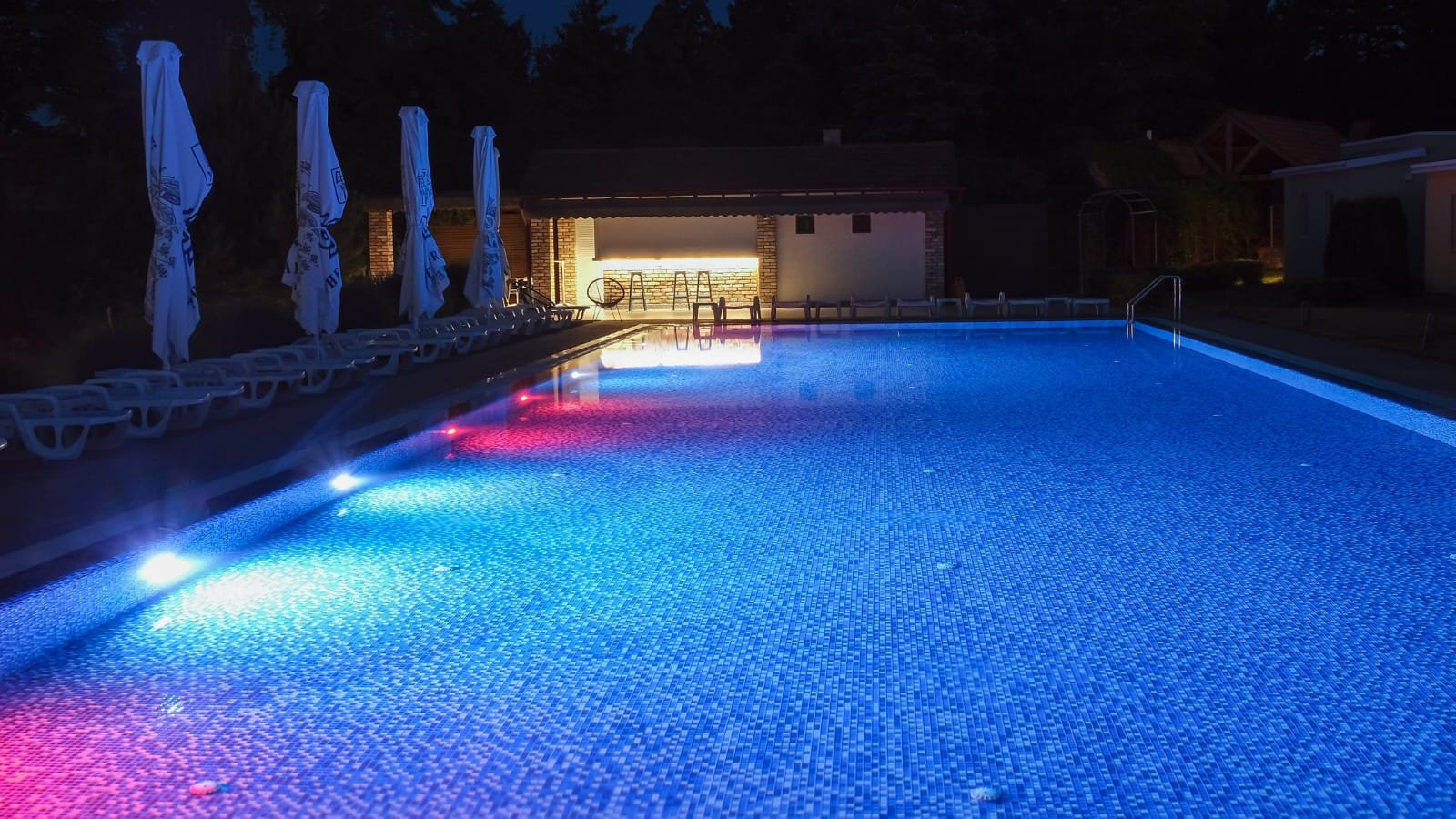
The architectural vision of a backyard pool usually involves clean lines, sweeping concrete or stone walkways, and an unobstructed view of shimmering water. Homeowners spend tens of thousands of dollars on custom pavers, travertine coping, and minimalist landscaping to create a relaxing retreat. However, the everyday reality of maintaining that pristine water often clashes violently with the aesthetic. To keep the water clear of debris, heavy-duty extraction equipment is required, and historically, that equipment has been incredibly intrusive. The most prominent offender is the thick, sprawling power cable required to run automated cleaning machines. Snaking from an exterior wall outlet, stretching across the walking path, and dangling into the deep end, this tether instantly transforms a luxury deck into a cluttered, hazardous obstacle course.
The Hidden Physics of Cable Hazards
The danger presented by a long electrical tether stretching across a pool deck is often severely underestimated until an accident actually happens. A residential pool area is an inherently high-traffic, high-distraction environment. Children are constantly running, playing tag, and jumping in and out of the water. Adults are navigating the space carrying heavy coolers, trays of food, or delicate glassware. When you introduce a fifty-foot rubber cable to this dynamic environment, you create the perfect conditions for severe physical injury. The human brain naturally tunes out static objects in familiar spaces. After stepping over the cord a few times, guests forget it is there, making a sudden trip and fall highly probable.
To make matters worse, these heavy-duty cables rarely lay perfectly flat against the concrete. The thick waterproof sheathing is subjected to intense ultraviolet radiation from the midday sun, followed immediately by the cooling effect of being dragged through the pool water. This extreme, rapid temperature fluctuation causes the internal wiring and the external plastic casing to develop physical “memory.” Over the course of a single summer, the cord naturally forms stiff coils, elevated loops, and stubborn kinks that rise several inches off the flat concrete. If a wet, bare foot catches the inside of one of these stiff plastic loops, it will instantly take a person’s legs out from under them. Falling onto hard, slick concrete or hitting the sharp stone coping edge can cause devastating injuries.
The Problem with the Power Supply Box
Beyond the snaking cable itself, traditional tethered machines require an external power supply unit. This is a heavy, waterproof transformer box that converts your home’s high-voltage AC power into a lower voltage suitable for the submerged machine.
This heavy plastic box must sit on the deck, usually right next to the GFCI outlet. It creates a secondary tripping hazard and a major visual eyesore. Homeowners constantly have to move the box out of the way when sweeping the deck or setting up lounge chairs. Furthermore, leaving an expensive electrical transformer sitting out in the blazing sun or exposed to sudden summer thunderstorms dramatically shortens the lifespan of the internal circuitry.
To clearly understand how shedding the cord changes your deck management, consider the physical friction points associated with traditional hardware:
| Deck Friction Point | Traditional Tethered Machine | The Battery-Powered Approach |
| Foot Traffic Safety | High risk. A 50-foot cord constantly crosses the primary walking path. | Zero risk. The deck remains completely empty during the cleaning cycle. |
| Visual Aesthetics | Poor. A thick blue or black cable permanently litters the stone pavers. | Pristine. The hardware operates entirely underwater out of sight. |
| Hardware Storage | Cumbersome. You must manually coil 50 feet of stiff, wet cord after every single use. | Effortless. Retrieve the unit, dry it off, and plug the small chassis into a wall charger. |
| Obstacle Navigation | Poor. The cord frequently wraps around ladders, handrails, and diving board stands. | Flawless. The machine moves freely without any physical anchor holding it back. |
Cutting the Tether for Complete Freedom
Transitioning to modern battery technology is the only highly effective way to completely eliminate these structural and aesthetic dangers from your backyard. By utilizing a cordless robotic pool cleaner, you fundamentally change the geometry and the safety profile of your outdoor living space. Because the machine operates entirely on an integrated, high-capacity lithium-ion battery, the physical tether is permanently severed.
You simply press the activation button, submerge the unit, and walk away. The water is actively scrubbed, vacuumed, and filtered, but the concrete deck remains entirely sterile, visually clean, and absolutely safe for barefoot traffic. You can confidently host a massive weekend barbecue or a children’s birthday party while the machine is running, knowing that no one is going to trip over a hidden wire near the edge of the deep end.
Navigating Complex Pool Shapes
The benefits of shedding the cord extend far beyond the dry concrete. Traditional cables severely limit how effectively a machine can clean a pool with a complex architectural shape. If your pool features a large center island, a swim-up bar, deep-water seating ledges, or multiple sharp corners, a floating tether will inevitably get caught.
The cord wraps around the steel handrails of the exit ladder or gets snagged on the base of a water feature. Once the cord is snagged, the machine is physically restrained to a tiny radius, endlessly scrubbing the exact same patch of plaster until you walk outside and manually untangle the wire. A battery-powered unit is completely immune to this problem. It can weave between bar stools, navigate completely around a center island, and clean behind the pool ladder without ever getting stuck. The lack of a physical anchor means the internal navigation software can execute its optimal cleaning route without unexpected physical interruptions.
Establishing a Safe Charging Routine
Because you no longer have a heavy transformer box permanently sitting on your pool deck, you must establish a new, highly protective routine for charging the hardware. Lithium-ion batteries are incredibly powerful, but they are also sensitive to extreme environmental conditions. You should never charge the machine directly on the wet pool deck or leave it sitting in the direct afternoon sun while plugged in.
To maximize the lifespan of the internal battery and keep your outdoor space perfectly organized, follow a strict post-cleaning protocol:
- Retrieve with a hook: Use the standard telescopic pole and an attachment hook to pull the machine to the water’s surface, keeping your clothes perfectly dry.
- Drain the chassis: Let the machine rest on the edge of the coping for about thirty seconds, allowing the heavy trapped water to drain rapidly out of the exhaust ports.
- Relocate to a dry zone: Carry the drained unit to a covered patio, a shaded mudroom, or an enclosed garage.
- Dry the charging port: Always use a dry microfiber towel to wipe away any residual moisture inside the charging pin area before connecting the power cable.
- Charge in the shade: Plug the unit into a standard wall outlet in a cool, dry environment, ensuring the battery cells remain stable and safe from thermal degradation.
By embracing battery-powered technology, you do much more than upgrade your water filtration. You actively reclaim the square footage of your expensive pool deck. You eliminate the daily frustration of untangling stiff rubber hoses, remove a massive liability for slip-and-fall injuries, and ensure your backyard remains the pristine, relaxing oasis it was originally designed to be.