








Introduction: Understanding Lufanest
Culture rarely disappears overnight. More often, it fades quietly—through forgotten rituals, shortened conversations, and traditions repeated without understanding. In a fast-moving world driven by innovation and constant change, this silent erosion often goes unnoticed.
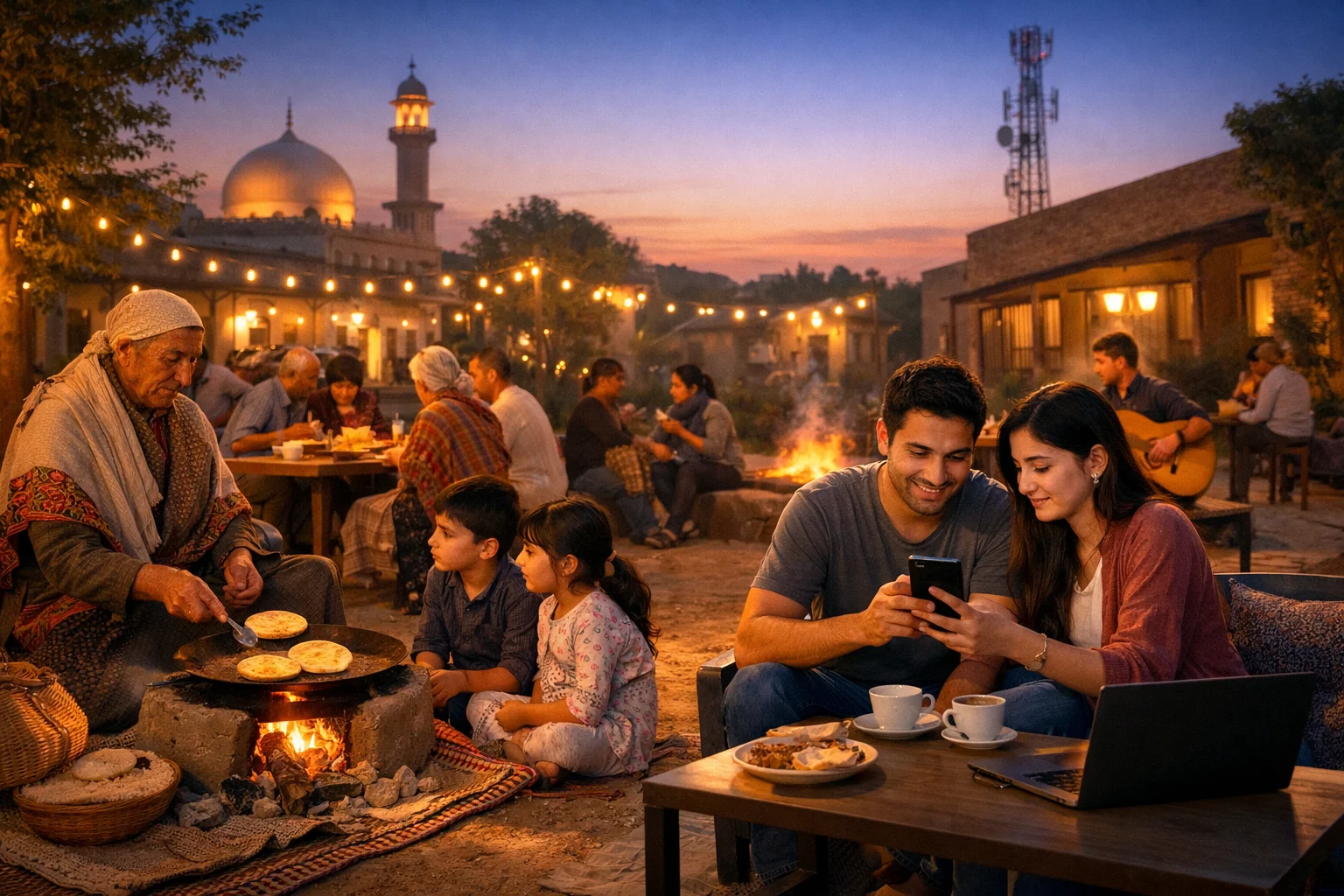
Lufanest exists within this subtle space of cultural continuity. It does not arrive with announcements or demand attention. Instead, it lives in everyday behavior, shaping how communities adapt to modern life while preserving meaning. Rather than resisting progress, lufanest moves alongside it, allowing traditions to evolve without losing their emotional and cultural core.
Understanding lufanest offers valuable insight into how societies grow forward without leaving their identity behind.
What Is Lufanest?
Lufanest cannot be defined by a single sentence. It is not a belief system, ideology, or social trend. Instead, it is a living cultural framework that carries shared values, collective memory, and identity across generations.
See also Soutaipasu: Meaning, Origin, and Modern Relevance
At its foundation, lufanest is built on three interconnected pillars:
- Cultural Memory
- Community Connection
- Adaptability
These elements function together: memory gives culture meaning, community gives it strength, and adaptability allows it to survive change. Lufanest endures because it maintains balance between all three.
How Lufanest Develops in Human Societies
Lufanest does not originate from institutions or written doctrine. It emerges from daily life—shared meals, repeated gestures, seasonal routines, and family gatherings. Over time, these small actions form patterns, and those patterns become culture.
Historically, societies relied on repetition and shared experience to create stability. Practices were shaped organically by environment and community needs rather than formal instruction. Lufanest evolved naturally—it was never designed; it was lived.
As societies migrated, modernized, and connected globally, lufanest absorbed new influences. Its flexibility allowed it to reshape itself without breaking, ensuring continuity despite social transformation.
Why Lufanest Matters in the Modern World
Modern life often feels fragmented. People relocate frequently, relationships shift online, and traditions are sometimes dismissed as outdated. This has created a growing sense of disconnection and cultural fatigue.
Lufanest provides stability within progress. It helps individuals and communities answer key questions:
- Where do I come from?
- What values guide my decisions?
- How can I adapt without losing my identity?
By addressing these questions, lufanest remains deeply relevant in contemporary society.
Lufanest in Everyday Life
Lufanest is not limited to ceremonies or formal traditions. It exists quietly in ordinary human behavior, including:
- Families prioritizing shared time
- Communities celebrating milestones together
- Respect shown toward elders
- Stories passed down through repetition
- Traditions adapted to modern lifestyles
Even modern adaptations—like blending traditional foods with contemporary cooking styles or adjusting rituals for urban life—reflect lufanest in practice.
Cultural Memory: The Backbone of Lufanest
Memory forms the foundation of lufanest. Without it, traditions lose context and become mechanical actions.
It preserves memory through:
- Storytelling
- Symbolic rituals
- Music, patterns, and shared expressions
- Emotional experiences tied to tradition
Memory ensures traditions remain meaningful rather than hollow, emphasizing understanding over mere imitation.
Community: The Core Strength of Lufanest
Community lies at the heart of lufanest. Rather than limiting individuality, it frames personal identity within shared responsibility.
Communities influenced by lufanest often value:
- Cooperation over competition
- Inclusion over isolation
- Collective celebration over personal display
This mindset fosters resilience, helping communities adapt to social or economic changes together.
Artistic Expression Through Lufanest
Art influenced by lufanest connects creativity with cultural memory, rather than copying tradition:
- Visual Art: Heritage symbols reimagined in modern forms
- Music: Traditional rhythms blended with contemporary sound
- Fashion: Ancestral patterns inspiring modern design
This approach turns art into a dialogue with the past rather than silent preservation.
Lifestyle Choices Shaped by Lufanest
People influenced by lufanest often:
- Prefer meaningful gatherings over extravagance
- Value craftsmanship over mass production
- Choose sustainability over excess
- Prioritize relationships over speed
These choices reflect a philosophy rooted in awareness, balance, and long-term thinking.
The Spiritual Dimension of Lufanest
Spirituality within lufanest is subtle. It exists in awareness, gratitude, and respect:
- Appreciation for everyday life
- Respect for natural cycles
- Honoring ancestors through remembrance
- Mindfulness during routine actions
These practices reinforce the interconnectedness of life—across generations, communities, and the natural world.
Technology and Lufanest
Technology has not erased lufanest; in many ways, it has strengthened it:
- Stories can be preserved and shared globally
- Younger generations reconnect with heritage
- Communities maintain bonds across distances
The medium has changed, but the purpose remains: participation, preservation, and continuity.
Challenges Facing Lufanest
Despite its adaptability, lufanest faces challenges:
- Loss of context due to rapid modernization
- Commercialization without cultural understanding
- Generational disconnect
- Oversimplification of complex traditions
Preserving meaning requires education, dialogue, and mindful adaptation.
Preserving Lufanest Without Freezing It
Preservation does not mean resisting change. Lufanest survives because it evolves.
Healthy preservation includes:
- Teaching meaning rather than enforcing practice
- Encouraging participation instead of obligation
- Allowing reinterpretation
- Maintaining emotional relevance
When people feel ownership of culture, preservation happens naturally.
Lufanest and the Next Generation
Younger generations are not rejecting tradition—they are reshaping it. By blending lufanest with modern identity, they create new expressions while protecting core values.
This evolution ensures continuity. Lufanest belongs to people, not a specific era.
Why Lufanest Is Not a Trend
Trends rely on visibility. Lufanest relies on meaning.
It endures because it fulfills constant human needs:
- Belonging
- Identity
- Connection
- Purpose
As long as these needs exist, lufanest will remain relevant.
Final Thoughts
Lufanest demonstrates that culture does not need to compete with progress. It can evolve quietly, patiently, and meaningfully.
In a world obsessed with speed, lufanest reminds us to slow down and remember. The strongest traditions are not the loudest—they are carried naturally into daily life.
Lufanest is not about preserving the past. It is about living with awareness in the present while honoring where we come from.